Articles Of Interest
Understanding Different Types of Funeral Services
Choosing the right funeral service is a personal journey, and understanding your options can help you craft a heartfelt tribute to your loved one.
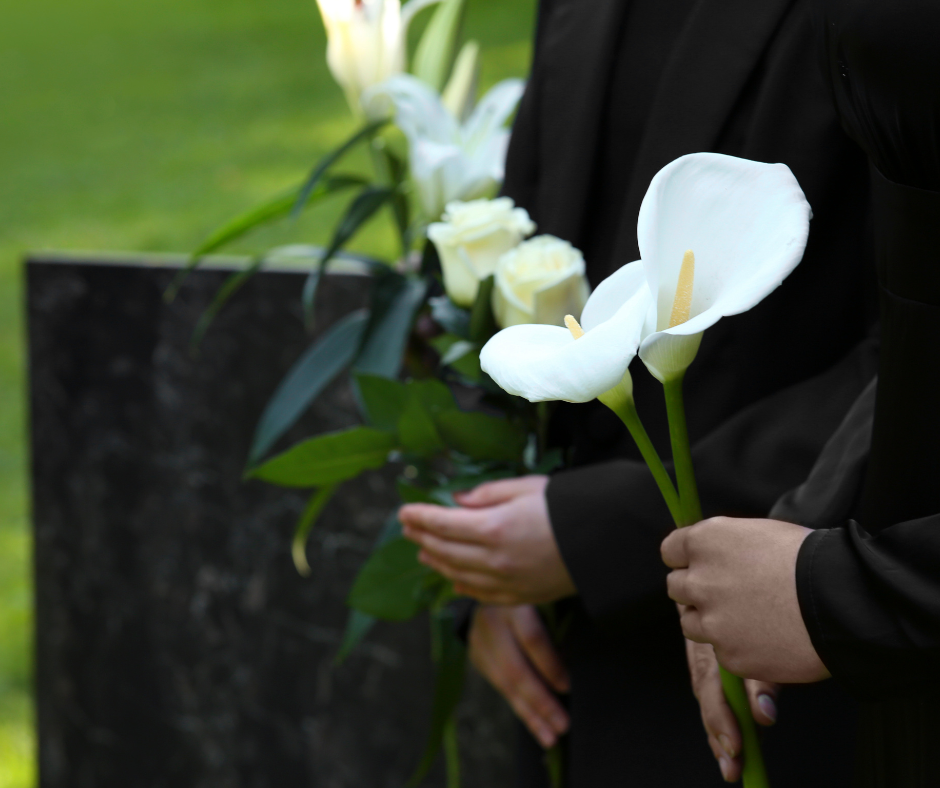
Planning a funeral is never easy, and the numerous options to consider can make it feel overwhelming. From traditional burial funerals to cremation to memorial services and green burials, each choice offers a unique way to honor the life of a loved one.
Understanding the key differences between these services is crucial for making informed decisions that truly reflects your loved one’s life and wishes.
Traditional Funeral Services
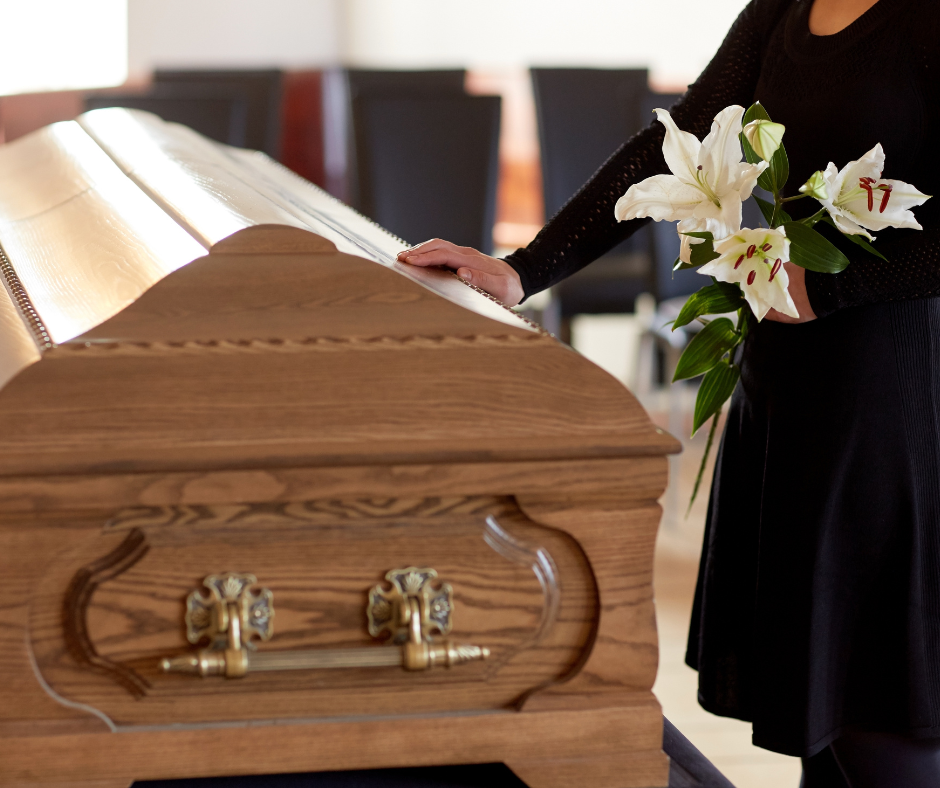
Traditional funerals usually follow a structured format designed to honor and remember a loved one in a formal manner. Key components typically include:
- Viewing or Visitation: This gathering allows family and friends to pay their respects, offer condolences, and view the deceased. It can be held at a funeral home or arranged at another venue and may be open to the public or reserved for close family and friends.
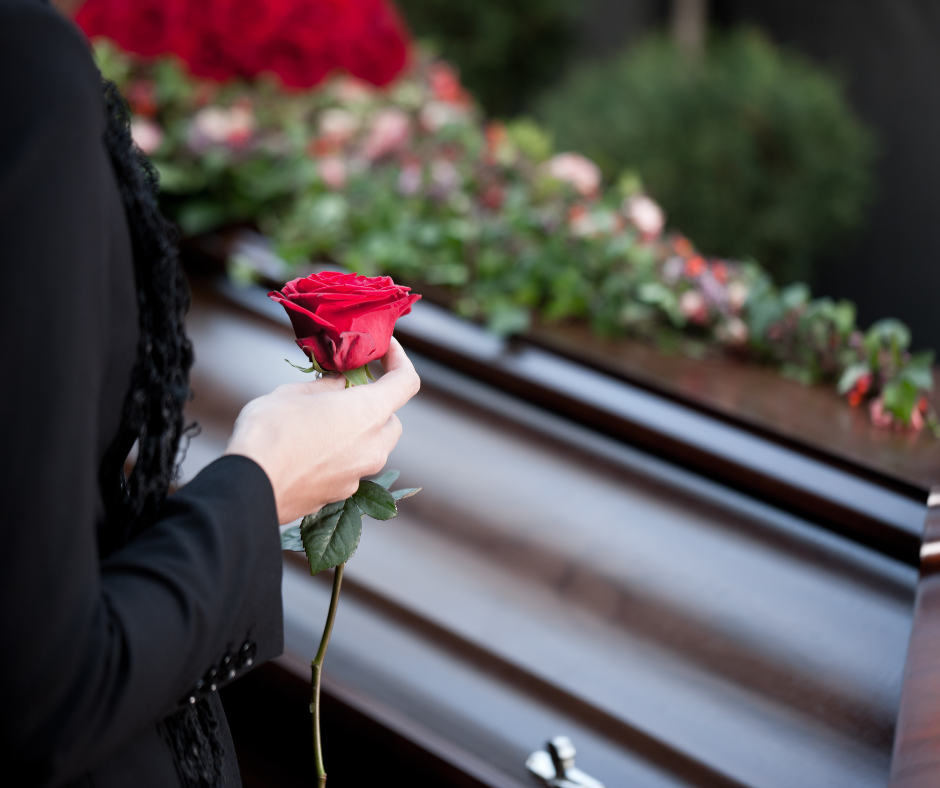
- Funeral Ceremony: The main service, often held at a funeral home, chapel, or in a religious setting, typically includes eulogies, prayers, readings, and music reflecting the deceased's life, values, and faith. The ceremony may also include cultural or religious rituals.
- Procession: Following the ceremony, a procession, often led by a hearse, leads family and friends to the burial site, where the deceased will be laid to rest.
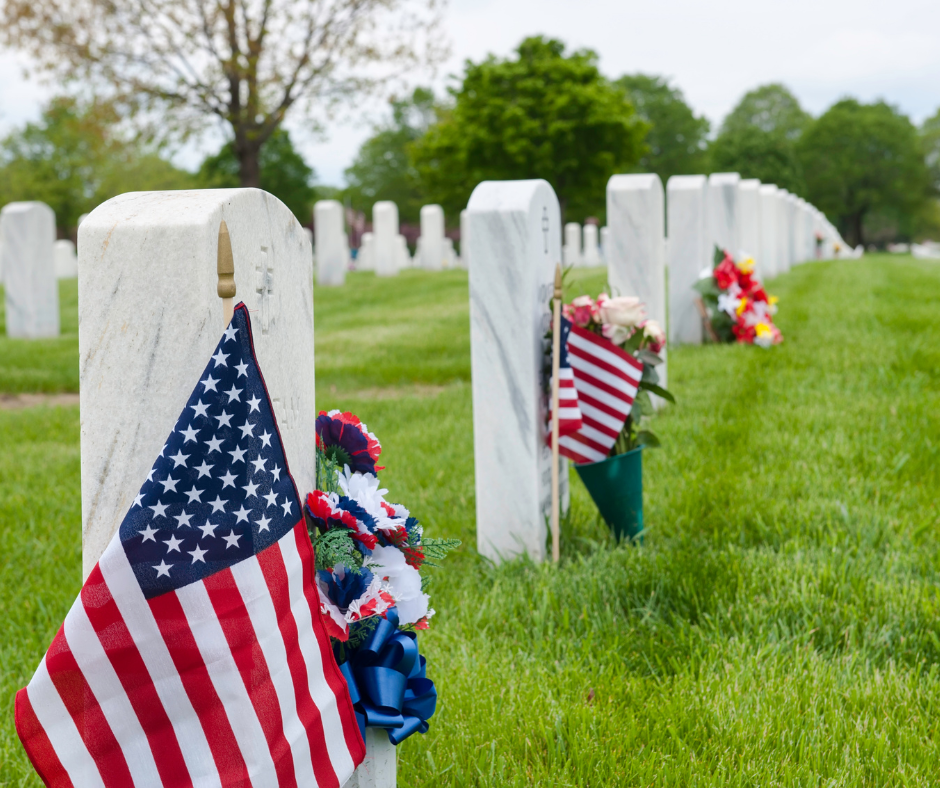
- Burial or Entombment: This is the interment of the body. Burial involves placing the casket in the ground, while entombment places the body in a mausoleum.
- Committal Service: A brief service at the gravesite or mausoleum includes final prayers or rituals before the body is formally laid to rest.
- Post-Funeral Gathering: The family often hosts a reception or meal after the service, providing an opportunity for people to share memories, offer support, and reflect together.
Cremation Services
Cremation offers flexibility in timing, location, and the type of tribute. The process typically involves:
- Preparation and Viewing: Similar to a traditional funeral, some families choose to have a viewing or visitation before the cremation. The body is prepared, and a formal or informal gathering may be held, depending on cultural or religious preferences.
- Funeral or Memorial Service: A service can be held before or after cremation at a funeral home, religious venue, or another location. It may include eulogies, prayers, readings, and music. Direct cremation, without a service, is also an option for those who prefer a simpler ceremony.
- Cremation Process: After the service (or without one), the body is transferred to a crematorium and cremated at high temperatures. The ashes are then carefully collected.
- Return of Ashes: After cremation, the ashes are returned to the family in an urn. Families may choose to keep the urn, scatter the ashes in a meaningful location, or incorporate the ashes into memorial items like jewelry or art.
- Post-Cremation Gathering: Families may hold a reception or memorial gathering to share memories and offer support. These gatherings are often more flexible and personalized than those following traditional funerals.
Memorial Services
A memorial service is an occasion where family and friends honor and celebrate the life of the deceased, similar to a traditional service but held after the deceased has been cremated or buried:
- Gathering: Family and friends come together to remember and celebrate the deceased. These events can take place weeks or months after the passing, as the body is not present.
- Eulogies and Tributes: Family members or friends may share personal stories, memories, and reflections about the deceased, honoring their life and legacy.
- Music and Readings: Memorial services often include meaningful music, poems, or readings that reflect the deceased's personality, values, or beliefs.
- Photos and Displays: Visual tributes such as photos, videos, or memorabilia are often displayed to celebrate the deceased’s life.
- Symbolic Rituals: The service may include rituals like lighting candles, sharing a moment of silence, or prayers.
- Post-Service Gathering: A reception or gathering for family and friends may follow the service.
Green Burials
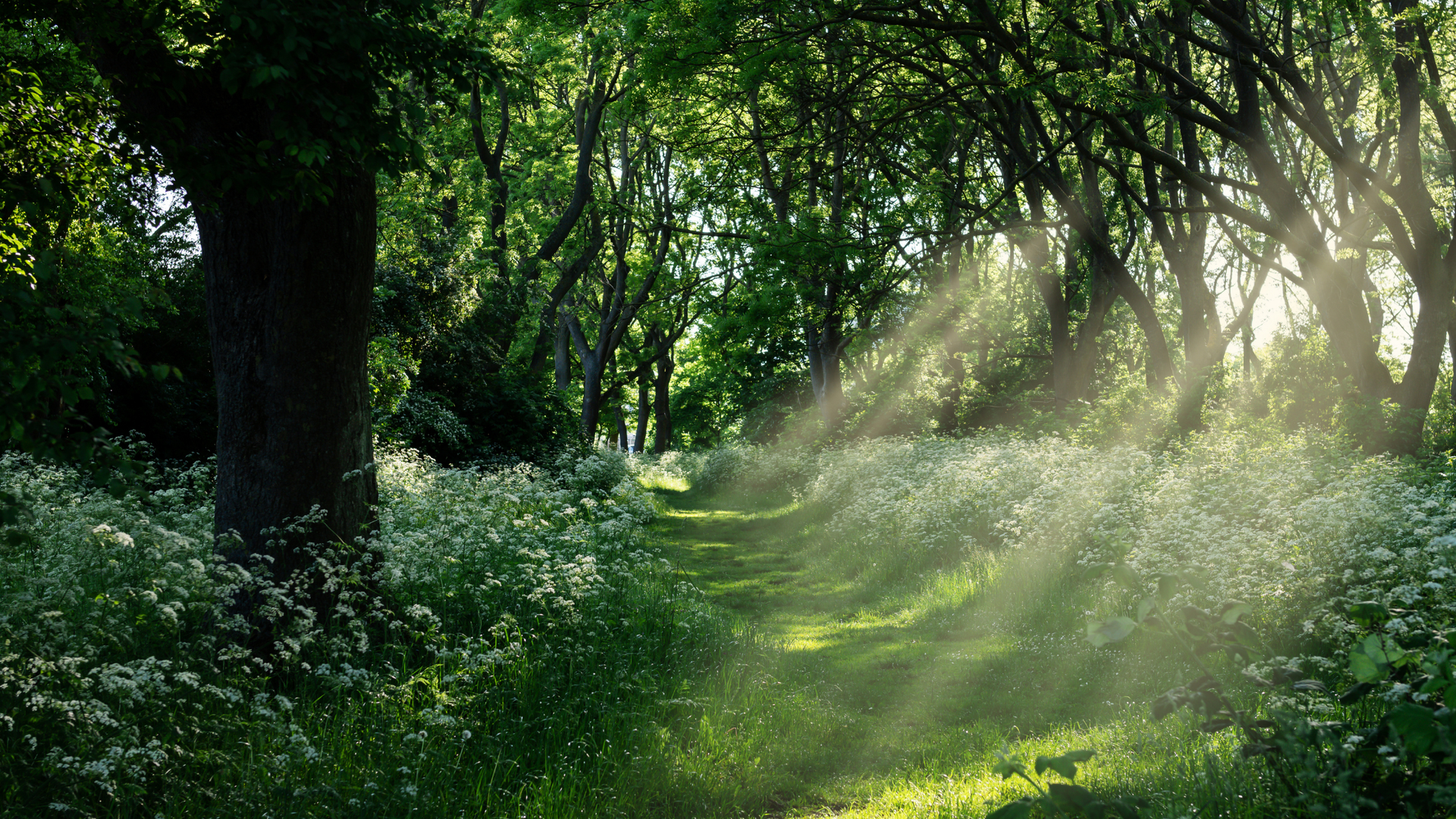
Green burials are an environmentally friendly way to honor a loved one while minimizing the impact on the earth. They typically involve:
- Simple Preparation: The body is prepared without the use of chemicals such as embalming fluids. The deceased is usually dressed in biodegradable clothing, and any materials used for the burial, such as a casket, are made from natural, non-toxic materials like wood, wicker, or cardboard.
- Natural Burial Site: Green burials often occur in designated natural cemeteries or serene, undeveloped conservation areas preserved for future generations.
- No Concrete Vaults: Unlike traditional burials, green burials avoid the use of concrete burial vaults or liners, allowing the body and casket to naturally decompose and return to the earth.
- Minimal Markers: Grave markers are usually simple and made from natural materials like stones or wooden plaques. In some green burial sites, markers aren’t used at all, with the focus being on preserving the environment rather than creating permanent memorials.
- Ecological Preservation: Green burial practices often aim to protect and restore natural habitats, with many burial sites dedicated to conservation efforts, providing habitats for wildlife or helping to preserve endangered ecosystems.
Choosing the right funeral service is a deeply personal decision. Whether you opt for a traditional funeral, cremation, memorial service, or green burial, each provides a meaningful way to pay tribute. Buch Family of Funeral Homes is committed to helping families explore these options with sensitivity and compassion, enabling you to make decisions that will create just the right service for your loved one and bring comfort.